
Managing All Your Bills, Including Installment Loan Repayments
- Kul Deep
- Last Updated on July 20, 2026
Finding an open house or apartment in Texas can be tough on your wallet. Right now, the typical asking rent in Texas sits at $1,895 a month, according to Zillow’s Observed Rent Index.
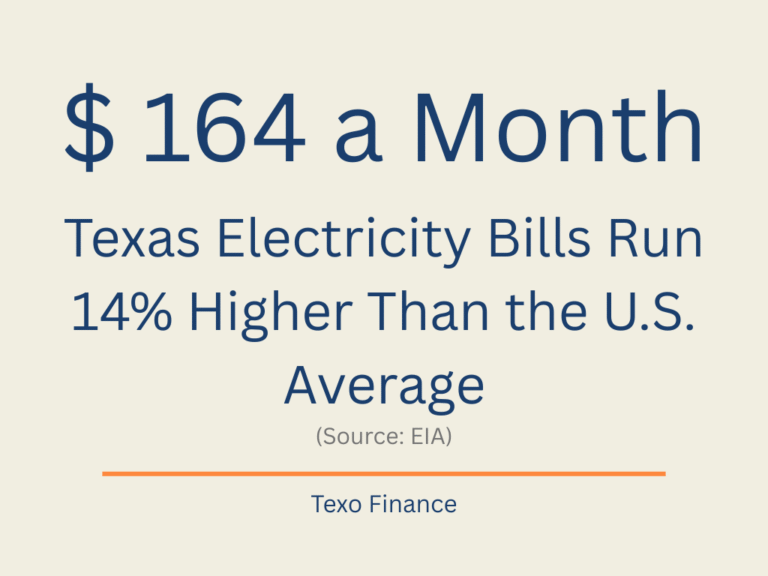
Keeping the lights on adds another major bill. The average monthly electric bill in Texas is around $164, which is about 14% higher than the U.S. national average, according to EIA data. And that is before you even pay for your water, gas, groceries, or cell phone plan.
Having a car costs a lot, too. On a national average, monthly car payments are $537 for a used vehicle and $767 for a brand-new one, according to Experian. Drivers in Texas usually pay even more than those national numbers.
When you add all these costs together, most families in Texas have to pay well over $2,500 in basic monthly bills before they even think about paying back an installment loan.
When you take on a loan, that repayment becomes one more fixed item in that list. The challenge is not any single bill — it is managing all of them together so nothing slips, no late fee lands, and your credit is not damaged because the wrong bill got deprioritised in a tight month.
This guide walks you through a practical system for managing your complete bill stack as a Texas resident — with your installment loan repayment treated as the fixed, non-negotiable obligation it is.
Step 1 — Build Your Complete Bill List and Separate Fixed from Variable
The first step is writing down every single bill you pay — not just the obvious ones. Most people know their rent and car payment. What gets missed are the quarterly insurance premiums, the annual renewal fees, and the bills that arrive irregularly.
Once you have the full list, divide it into two groups:
- Fixed bills — same amount, same date every month: rent, installment loan repayment, car payment, insurance, phone plan, internet
- Variable bills — change month to month: electricity, groceries, petrol, medical co-pays
Your installment loan repayment belongs firmly in the fixed category. It has a set amount and a set due date. Treating it as flexible — something you will get to when you can — is the fastest route to late fees and credit score damage.
Texas electricity bills deserve special attention in the variable column. In summer months, cooling costs push the average Texas bill well above its typical $164, especially in cities like San Antonio, Houston, and Dallas. Building a buffer above your average electricity bill each month protects you from summer spikes catching you short.
Step 2 — Build a Payment Calendar Around Your Pay Dates
Once you know what every bill costs and when it is due, map each due date against your pay dates. The goal is to never have a bill due in the gap between paydays.
A simple approach:
List every bill due between the 1st and 15th of the month — cover these from your first paycheque
List every bill due between the 16th and 31st — cover these from your second paycheque (if paid bi-weekly) or plan for them from the first
Your installment loan due date matters here more than most. If your loan payment falls three days before your pay date every month, you are permanently in a tight spot. Some Texas lenders will work with you to shift a due date — particularly on the first or second payment cycle. Contact your lender early and ask. It is not guaranteed, but it is a reasonable request that costs you nothing to make.
If a large variable bill like an insurance premium arrives in the same week as your rent and your loan repayment, that week will always be a squeeze. Knowing this in advance means you can set a small amount aside in prior weeks to cover it — rather than discovering the clash when all three are due simultaneously.
Step 3 — Know Which Bills to Prioritise When Money Is Tight
In a month where you genuinely cannot cover everything, the order in which you pay matters. Paying the wrong bill first and missing a more serious one has consequences that are far harder to recover from.
Here is the right priority order for a Texas household:
- 1. Rent or mortgage — missing rent leads to eviction notices. Missing a mortgage payment triggers the foreclosure process. These are the most serious consequences of any missed payment.
- 2. Electricity and water — in Texas, losing electricity in summer is a health risk, not just an inconvenience. Heat-related illness is a real danger. Prioritise utilities second.
- 3. Car payment — your car gets you to work. Losing it through repossession means losing income. Pay this before unsecured debts.
- 4. Installment loan repayment — a missed loan payment damages your credit score and triggers late fees. Contact your lender before missing a payment — most licensed Texas lenders will work with you on a short-term arrangement.
- 5. Credit cards — credit cards have the most flexibility. Missing one payment hurts your score, but the consequences are slower-moving than rent or a car payment. This does not mean ignore them — it means they are last in the priority line.
If your budget is regularly tight enough that you are choosing between bills, the root cause is structural — your income is not comfortably covering your fixed costs. That is worth addressing directly. Our guide on what to do when your monthly budget in Texas breaks down covers the full set of options for that situation.
Step 4 — Automate the Right Bills, Review the Variable Ones Monthly
Automated payments prevent missed due dates on fixed bills — but they work best when the amount is predictable and your account always has the funds available.
Good candidates for automation: rent (if your landlord accepts direct debit), installment loan repayment, car payment, insurance premiums, phone and internet bills. These are fixed amounts that will not surprise you.
Poor candidates for automation: electricity and utility bills. Texas electricity costs vary too much from month to month — a bill that was $140 in March can be $230 in August. Automating a variable bill without checking it first means you risk an overdraft when a summer bill arrives larger than expected. Electricity and utility bills. Texas electricity costs vary significantly month to month, climbing well above the seasonal average during peak summer cooling months. Automating a variable bill without checking it first means you risk an overdraft when a summer bill arrives larger than expected.
The right approach for variable bills is a monthly review — spend five minutes at the start of each month checking what is due, confirming the amounts look reasonable, and transferring the funds manually. This keeps you in control of the variable spend without adding mental load to the fixed bills you have already automated.
One important check: if you automate your loan repayment, make sure the account it draws from always has sufficient funds on the due date. An automated payment that bounces because of a timing mismatch — your paycheque landing two days after the loan draws — still counts as a missed payment with most lenders. Check the exact draw date and your pay date to make sure they are aligned.
Step 5 — Contact Your Lender Before You Miss a Payment, Not After
If a month comes when you cannot cover everything — an unexpected bill arrives, an expense runs over, or your income drops — contact your installment lender before the payment is missed.
Texas installment lenders licensed under the Texas Finance Code are regulated lenders, not debt collectors. Licensed lenders have a commercial interest in working with borrowers who communicate early. Options they may offer include a payment deferral (pushing your payment to the following month), a short extension of the loan term, or a temporary payment reduction.
None of these are guaranteed — but they are far more likely when you call before the due date than after. A borrower who misses a payment without contact is a default risk. A borrower who calls three days before the due date and explains the situation is having a conversation. Lenders treat those two situations very differently.
If you need a broader overview of what to do when a bill you cannot cover arrives suddenly, our guide on what to do when an unexpected bill hits on top of everything else covers every option available to Texas residents.
And if you want to understand exactly how your loan repayment schedule works — including what early payment options exist and how to read your repayment terms, then you should know how to manage your installment loan repayments in Texas, it can solve your problems.
Are You Paying More Than You Should on Your Loan?
Managing your bills well includes knowing whether your existing loan is costing you more than it should. Not all Texas installment lenders charge the same rates, and if you took your current loan in a financial emergency, you may not have had time to compare.
If you are finding that your loan repayment is putting consistent pressure on your monthly budget, it is worth checking whether you are overpaying on your installment loan compared to other Texas lenders. Refinancing to a lower rate reduces your monthly fixed payment and relieves pressure across your entire bill stack.
It is also worth understanding how a credit card stacks up against an installment loan for recurring costs going forward — particularly if you use a credit card for variable monthly costs and carry a balance. The interest rate difference between revolving credit card debt and a fixed-rate installment loan is significant in Texas, and choosing the wrong tool for recurring expenses adds avoidable cost to your monthly stack.
Texas residents in San Antonio, Houston, Dallas, Austin, and other cities can apply for installment loans in San Antonio and across Texas through licensed lenders who are required by the Texas Finance Code to disclose all costs before you sign.
Frequently Asked Questions
Can I change my installment loan payment due date in Texas?
Some Texas installment lenders will allow a due date change, particularly early in the loan term — often within the first one or two payment cycles. The process varies by lender: some allow it by phone request, others require a written request or a visit to the branch. The reason for the request matters — if your due date consistently falls three days before your pay date, that is a legitimate scheduling conflict most lenders will be willing to resolve. Contact your lender directly and ask. There is no standard rule under the Texas Finance Code that requires lenders to offer this, so it depends on the lender’s own policies — but asking costs nothing.
What bills damage your credit score most if you miss them?
Lenders and financial institutions that report to the three main credit bureaus (Experian, Equifax, TransUnion) are the ones whose missed payments hurt your score. In Texas, this typically includes: installment loan lenders, credit card issuers, car finance companies, and mortgage lenders. Rent, utilities, phone, and internet bills generally do NOT appear on your credit report unless the account goes to a collections agency — at which point the damage is significant and long-lasting. The practical takeaway: missing your installment loan payment is far more damaging to your credit than missing a phone bill, even though the phone bill might feel more urgent on a tight day.
Is it better to pay off my installment loan early or keep the buffer in my account?
It depends on whether your loan has a prepayment penalty. Some Texas installment loans charge a fee for early repayment — check your loan agreement under the repayment terms before making an extra payment. If there is no prepayment penalty, paying early saves you interest. But if your emergency buffer (savings you can reach within 24 hours) is below one month of essential bills, keeping that money liquid is often more valuable than the interest saved by paying early. A month with no savings buffer and an unexpected car repair or medical bill costs far more — in stress and in borrowing costs — than the interest on one remaining loan payment.
Why are Texas electricity bills so much higher than those in other states?
Texas operates on its own independent power grid (ERCOT) and has a deregulated electricity market, which means prices are set by market competition rather than regulated rates. This has two effects: prices can be lower when the market is competitive, but they can also spike sharply during high-demand periods — particularly summer heat waves and winter freezes like the one in February 2021. Texas homes also tend to be larger than the national average and rely heavily on air conditioning for five to six months of the year. The result is that the average Texas electricity bill is around $164 a month, according to EIA data — roughly 14% higher than the U.S. national average of about $144 — with summer months pushing that figure considerably higher in cities like Houston, San Antonio, and Dallas.
Conclusion:
Managing all your bills with an installment loan in the mix comes down to one habit: knowing exactly what is fixed, what is variable, and what the consequences are if each one is missed. Your loan repayment is fixed. Your rent is fixed. Your electricity will surprise you in August. Build a payment calendar around your pay dates, automate your fixed bills, review your variable ones monthly, and call your lender before — not after — a payment you cannot make.
