
Unsecured loans do not require collateral, but they typically have higher interest rates because the lender takes on more risk.
Guide to Secured vs Unsecured Installment Loans
- Kul Deep
- Last Updated on August 22, 2026
A secured installment loan uses property as collateral. An unsecured installment loan does not. This single difference changes your interest rate, your approval odds, and what a lender can take if you miss payments.
This guide covers both loan types the way lenders actually use them. It also covers what happens if a loan goes unpaid.
Table of Contents
What Makes a Loan Secured vs Unsecured
A secured loan is backed by an asset you own, like a car or a savings account. An unsecured loan relies only on your credit and income. No property is pledged against it.
So, complete information or a process about installment loans becomes necessary before taking any step towards getting a loan.
What Types of Collateral Are Used for Secured Installment Loans
Lenders most often accept a vehicle title as collateral. Some also accept savings accounts, CDs, or other personal property. The exact list depends on the lender, not a statewide or nationwide rule.
FACT
Secured loans require collateral (such as a car or property), which usually results in lower interest rates and higher approval chances.
Why Secured Loans Have Lower Rates and Are Approved Faster
Secured loans usually carry lower interest rates than unsecured ones because collateral lowers the lender’s risk, so they can offer better terms. Approval can also be easier, even with a lower credit score. In secured loans, the lender has a guarantee to cover the loan amount from the collateral in case of non-repayment.
Undoubtedly, collateral makes approval fast, but credit score can not be ignored completely. Your approval speed also depends on your credit profile, and your credit score also affects your loan rate, which means that while getting a secured loan, a good credit score also works better.
What Happens If You Default on a Secured Loan in Texas
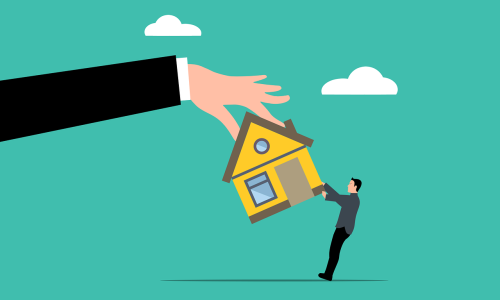
If a secured loan goes unpaid, the lender can typically repossess the collateral without first going to court. The lender can’t use physical force to take the property or enter a locked garage or break down a door to reach it. Repossession applies only to the pledged asset, not to other property you own.
If the sale of the repossessed item does not cover your full balance, you may still owe the difference. This is called a deficiency balance.
FACT
Licensing Applies to Both Secured and Unsecured Loans
Both secured and unsecured loans are offered by the licensed lenders. That licensing status stays the same regardless of whether you put up an asset as security. However, secured loans are less common in all states and are less commonly offered by online lenders.
Each lender sets its own rate cap by loan amount, for both loan types. Collateral can lower your rate within that cap, but it never raises your rate above what the lender has already set.
Can You Switch From Unsecured to Secured Later?
Some lenders let you refinance an unsecured loan into a secured one. This can lower your rate if you now have an asset to pledge. It is a separate agreement, not an automatic change.
Ask your lender directly, since this option is not standard everywhere. Refinancing also resets your loan term. Weigh the lower rate against a longer repayment period first.
What Happens If You Default on an Unsecured Loan
There is no property to repossess on an unsecured loan. But the lender can still send your account to collections. It can also sue you for the unpaid balance.
A missed payment on either loan type can lower your credit score. The difference is what the lender can physically take, not whether your credit is affected.
Which One Costs Less Over the Life of the Loan
A secured loan usually costs less in total interest, given the same amount and term. This is because the lower rate offsets the risk of losing collateral. An unsecured loan costs more but keeps your assets out of reach.
The total cost breakdown, fees included, separates what you pay in interest from every add-on fee stacked on top.
How to Decide Between Secured and Unsecured in Texas
Choose secured if you have an asset you’re comfortable risking and want a lower rate. Choose unsecured if you would rather pay more in exchange for keeping your property fully protected.
But the opposite of this happens sometimes: you do not want your collateral, and at the same time your score is also not good, and when you apply, it can produce the situation of disapproval. At this time, it is very important to know the reasons behind loan application denial and what steps you can take to avoid this.
Frequently Asked Questions
Is an installment loan secured or unsecured?
It can be either. The loan type depends on the lender and whether you pledge collateral. Auto loans are usually secured, while many personal installment loans are unsecured.
Can a lender repossess my car for an unpaid personal loan?
Only if that loan is secured by the car. On an unsecured loan, there is no collateral to repossess, though the lender can still pursue the debt in other ways.
What happens if I default on a secured loan?
The lender can typically repossess the collateral without giving advance notice. If the sale doesn’t cover your full balance, you may still owe the difference as a deficiency balance.
Is a secured loan easier to get approved for?
Often, yes. Collateral lowers the lender’s risk, so approval standards can be more flexible. This can help borrowers with a lower credit score qualify.
Does an unsecured loan hurt my credit more if I miss a payment?
Not necessarily more than a secured loan. Both loan types can lower your credit score after a missed payment. The real difference is what the lender can take, not the credit impact.
What can be used as collateral for an installment loan?
A vehicle title is the most common option. Some lenders also accept savings accounts, CDs, or other personal property. This varies by lender.
The Real Trade-Off Between Secured and Unsecured
Secured loans usually cost less and are approved faster, but they put an asset on the line. Unsecured loans cost more on average, but nothing gets repossessed if you fall behind.
Under the law, a secured lender can act quickly to reclaim collateral. Knowing that upfront helps you pick the loan type that fits what you can afford to risk.

Kul Deep
Kul Deep is a professional content strategist at Texo Finance. He is a finance expert who plans and produces content across various financial topics.