Secured and Unsecured Installment Loans

Both secured and unsecured installment loans allow you to borrow a lump sum and repay it through fixed monthly payments over a set term, typically ranging from 12 to 84 months. The key difference lies in how lenders protect themselves against potential losses: secured installment loans require collateral (like your car or house). In contrast, unsecured installment loans are based mainly on your credit score and income.

Here’s a quick comparison: Secured loans require collateral, typically offer interest rates between 6%-20% depending on your credit, and are commonly used for auto purchases and mortgages. Unsecured loans require no collateral, typically carry interest rates ranging from 9% to 36%, and are popular for debt consolidation and medical bills. Secured loans generally allow higher borrowing amounts and may be easier to qualify for with fair credit, while unsecured loans offer faster approval without risking your assets.

Table of Contents

What are Secured Installment Loans

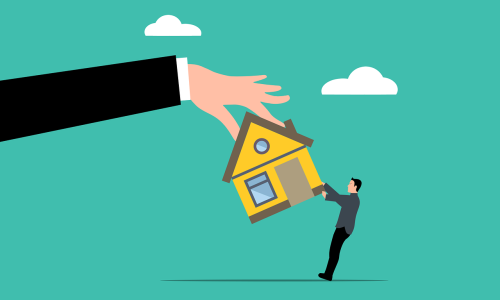
A secured installment loan is a loan you repay in fixed monthly payments that requires specific collateral – an asset the lender can take if you don’t repay as agreed. This collateral acts as security for the lender, reducing their risk and often resulting in better terms for borrowers.

The most familiar secured installment loans include mortgages, auto loans, home equity lines, and secured personal loans from banks and credit unions. Online lenders and traditional financial institutions both offer these products, though terms and requirements vary significantly between lenders.

Loan approval considers your credit score, income stability, and the condition and value of your collateral. For example, someone with a 630 credit score might be approved for an auto loan because the car secures the debt, even if they wouldn’t qualify for an unsecured personal loan. The stronger your collateral relative to the loan amount, the more favorable loan terms you’re likely to receive.

Pros and Cons of Secured Installment Loans

Secured loans can offer significant advantages in terms of cost and accessibility, but they put your property directly at risk if you fall behind on payments.

Advantages of secured installment loans

Secured loans typically carry lower interest rates than unsecured alternatives. A well-qualified auto loan borrower might secure rates between 7%-12% APR, while comparable unsecured personal loans often start much higher. This difference can save thousands in interest over the loan term.

Higher borrowing limits represent another major advantage. While unsecured personal loans typically max out around $50,000, secured options like mortgages can reach $250,000 or more, and home equity lines can provide substantial funding for major expenses. Credit unions and online lenders often offer competitive rates on these larger amounts.

Secured loans can also improve approval chances for borrowers with fair credit. If you have a credit score around 630 but own a valuable asset, lenders rely on the collateral to offset credit risk. This makes secured options accessible to borrowers who might be declined for unsecured loans.

These loans help build credit when you make monthly payments on time. Lenders report your payment history to major credit bureaus (Equifax, Experian, TransUnion), and consistent payments over your repayment term strengthen your credit profile for future borrowing.

Disadvantages of secured installment loans

The primary risk involves losing your pledged asset. Missing several car payments can lead to repossession, while serious mortgage defaults can result in foreclosure. Losing your primary vehicle affects your ability to work, while losing your home creates even more severe consequences.

Additional fees and costs often accompany secured loans. Mortgages involve appraisal fees, title fees, and closing costs that can total thousands of dollars. Auto loans may require specific insurance coverage naming the lender as beneficiary. These expenses increase your total borrowing costs beyond the stated interest rate.

Longer approval processes characterize many secured loans. While some auto loans approve quickly, mortgages typically require 30-45 days due to appraisals, title searches, and extensive underwriting policies. If you need funds urgently, this timeline may not work for your situation.

secured vs unsecured loans
FACT


Secured loans require collateral (such as a car or property), which usually results in lower interest rates and higher approval chances.

What is an Unsecured Installment Loan?

An unsecured installment loan provides fixed monthly payments without requiring collateral, basing approval decisions primarily on your credit score, income, employment history, and existing debt obligations. Lenders rely on your borrower’s creditworthiness and promise to repay rather than any specific asset.

Popular examples include personal loans from online lenders for debt consolidation, bank personal loans covering unexpected expenses, and medical financing plans for healthcare costs. These loans typically offer repayment terms between 2 and 7 years with fixed interest rates throughout the loan term.

Lenders evaluate several financial factors during the application process. Your FICO score plays a central role – many require a 580 minimum for basic approval, while 700+ scores unlock the best rates. Your debt-to-income ratio matters significantly; most lenders prefer keeping total monthly debt payments under 40% of gross monthly income.

Since no valuable asset backs these loans, interest rates generally exceed those of secured alternatives, especially for borrowers with limited or damaged credit. However, this also means faster approval since lenders don’t need to appraise collateral or establish liens.

Loan amounts typically range from $1,000 to $50,000 through many online lenders, with funds used for consolidating credit cards, covering a $6,000 medical bill, or financing a $10,000 home renovation project. The application process often allows you to apply online and receive a decision within one business day.

Pros and Cons of Unsecured Installment Loans

Unsecured loans prioritize convenience and speed while protecting your assets, but they typically cost more and maintain stricter qualification standards for borrowers with weaker credit profiles.

Advantages of unsecured installment loans

No collateral required means your car, home, and savings account remain safe regardless of payment difficulties. This protection appeals to borrowers who can’t afford to risk essential assets or those who don’t own high-value property to pledge.

Faster approval and funding timelines are characteristic of most unsecured products. Many online lenders approve applications within hours and deposit funds directly into your bank account the same or next business day. This speed proves invaluable for emergency expenses, such as urgent car repairs or medical bills.

Flexible fund usage allows borrowers to address multiple needs with one loan. A single $8,000 unsecured personal loan might cover moving costs, minor home improvements, and unexpected expenses without restrictions from the lender.

These loans still help build good credit through consistent, on-time payments reported to credit bureaus. They’re particularly valuable for renters or others who lack assets for secured borrowing but maintain steady income and decent credit scores.

Disadvantages of unsecured installment loans

Higher interest rates represent the most significant drawback. APRs can range from around 9% for excellent credit up to 30%+ for fair credit, substantially increasing total borrowing costs. Credit cards may offer lower rates for short-term balances.

Stricter credit requirements limit access for borrowers with credit scores below 600. Many lenders rely heavily on credit history since they lack collateral protection, making approval difficult for those with limited credit or past payment problems.

Lower maximum loan amounts restrict funding for major expenses. While secured options like home equity lines can provide six-figure borrowing, most unsecured personal loans cap at around $50,000, insufficient for substantial home renovations or business investments.

Missing payments creates serious credit damage without the collateral cushion that characterizes secured products. Late payments, defaults, and potential collection actions harm your credit score for years, affecting future borrowing ability across all loan types.

Consider this cost comparison: borrowing $10,000 for 5 years at 11% APR (secured) results in a total interest of $2,908, while the same amount at 22% APR (unsecured) costs $6,798 in interest – nearly $4,000 more over the loan’s life.

FACT


Unsecured loans do not require collateral, but they typically have higher interest rates because the lender takes on more risk.


Secured vs. unsecured installment loans: which should you choose?

The right choice depends on your credit score, income stability, collateral availability, and comfort level with potentially losing pledged assets during financial difficulties.

When secured loans make more sense: Large purchases like homes or vehicles naturally require secured financing due to loan amounts exceeding most unsecured limits. If you need substantial funding ($25,000+) and own valuable assets, secured options typically provide lower rates and better terms. Borrowers with fair credit (580-669) often find secured loans their only path to approval for significant amounts.

When unsecured loans work better: Smaller to mid-size expenses ($3,000-$30,000) for debt consolidation, medical bills, or home improvements often suit unsecured products perfectly. If you need money quickly, rent rather than own, or can’t afford to risk your car or home, unsecured loans provide safer access to funds.

Ask yourself these key questions: Do you have an asset you’re willing to pledge? How strong is your credit score today? How urgently do you need the money? Could you still manage your budget if interest rates were 5-10 percentage points higher?

Many lenders now offer prequalification with soft credit checks, letting you compare estimated rates and terms for both secured and unsecured options before formally applying. This process helps you understand available options without multiple hard inquiries affecting your credit score.

Neither option is always better – the best choice matches your risk tolerance, repayment ability, and long-term financial planning goals.

Bottom Lines

Secured installment loans trade lower interest rates and higher borrowing limits for the risk of losing collateral, while unsecured installment loans prioritize speed and convenience at the cost of higher interest and stricter credit requirements. Understanding how each works – from collateral requirements to interest rates, repayment terms, and credit impact – helps you avoid expensive mistakes and unnecessary financial stress.

Smart borrowing starts with calculating total loan costs, including monthly payments, loan term length, and total interest paid over the full repayment period. Compare offers from at least two or three lenders, including credit unions and online lenders, before making your final decision.

Borrow only what you genuinely need, build an emergency fund when possible to reduce future borrowing needs, and consider consulting nonprofit credit counseling services if debt decisions feel overwhelming. Your financial situation is unique, and the right loan choice supports your long-term financial health rather than creating additional stress.

Frequently Asked Questions

Is a car loan secured or unsecured?

Most standard auto loans in the U.S. are secured loans, with the vehicle itself serving as collateral. If you stop making payments, the lender can repossess the car to recover their money. Some credit unions offer unsecured auto loans, but these are less common and typically carry higher interest rates.

Can I switch from an unsecured loan to a secured loan later?

You generally can’t convert an existing loan from unsecured to secured. However, you might refinance by taking out a new secured loan to pay off your current unsecured loan if the terms improve significantly. This makes sense only if the new loan offers substantially better rates or terms.

What credit score do I need for an unsecured installment loan?

Most lenders require credit scores of 580+ for basic approval, though rates remain high at this level. Scores of 670+ typically unlock better rates, while 740+ scores qualify for the most competitive offers. Each lender sets different requirements, so shopping around helps if your score falls in borderline ranges.

What happens if I can’t make my secured loan payments?

Initial missed payments result in late fees and credit score damage. After several missed payments (typically 90-120 days), lenders may begin repossession proceedings for vehicles or foreclosure for real estate. The timeline varies by lender and state law, but action usually starts after three consecutive missed payments.


Scroll to Top