
5 Financial Tips For New Parents in Texas
- Kul Deep
- Last Updated on September 8, 2026
Starting a family in Texas brings excitement, but it also comes with new costs most parents don’t think about. Diapers, medical bills, childcare, and a bigger car all show up faster than income adjusts. According to BabyCenter, the average U.S. family spends about $20,384 in a baby’s first year once one-time and recurring costs are added together.
An installment loan is not the right tool for every new-family expense. But it can help bridge specific gaps—especially when the cost is real, the timeline is short, and paying it off in cash right now isn’t realistic. Here are five situations where that trade-off makes sense, and how to borrow carefully if you do.
Situation 1: New Baby Costs Add Up Fast
When a new baby arrives, there are real upfront costs: a crib, a car seat, diapers, formula, and a hospital bill that often lands weeks later. Most of this hits before your household budget has adjusted to the change, or before leave pay catches up with your normal paycheck.
When an installment loan helps here: the gap is a specific, one-time cost — say $1,000 to $3,000 to cover a hospital bill or nursery setup. A fixed-rate installment loan gives you a set payment and a clear payoff date for that gap. That beats a credit card balance, which can keep growing if you only pay the minimum.
What smart parents do: borrow only the amount tied to the actual bill, not a round number that feels safer. A $1,000 installment loan or a $2,000 installment loan covers many one-time baby costs without over-borrowing. If you go with the smaller amount, spending a $1,000 loan wisely on baby costs can help it stretch further.
Situation 2: An Unexpected Medical Bill
Pregnancy and delivery costs vary widely depending on your insurance and whether complications happen. According to the Peterson-KFF Health System Tracker, average childbirth-related costs run about $20,416 in total. Patients pay roughly $2,743 out of pocket on average—more, around $3,071, for a C-section.
When an installment loan helps here: a fixed-rate loan can cover an out-of-pocket medical balance in predictable monthly payments. That is often a better fit than a hospital’s own short-term payment plan, which may come with less flexibility. It also beats a credit card, which carries a much higher rate if the balance is not paid off fast.
What smart parents do: ask the hospital’s billing office about a payment plan first, and only borrow the gap that plan does not cover.
Situation 3: Rising Childcare Costs
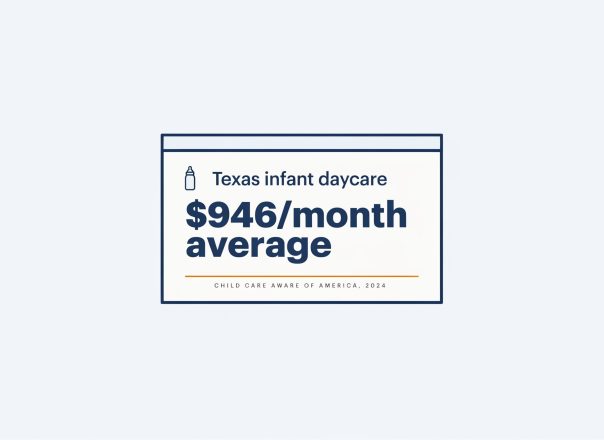
Childcare is one of the highest ongoing costs of a new family, and it starts as soon as both parents return to work. According to Child Care Aware of America’s 2024 Price of Care report, the average cost of care runs about $11,349 a year, or roughly $946 a month.
When an installment loan helps here: an installment loan is not a good fit for an ongoing monthly bill like childcare. Borrowing to cover a recurring expense just adds another payment on top of it. It is a better fit for a one-time cost tied to childcare, like a deposit or registration fee at a new daycare.
What smart parents do: build childcare into your monthly budget first, and save loans for one-time costs, not recurring ones.
Situation 4: A Bigger, Safer Car
A new baby often means the family car needs to change—more seats, more safety features, more room for a stroller and gear. That is a real cost that usually cannot wait, and it rarely fits neatly into a month’s regular budget.
When an installment loan helps here: if a used, reliable vehicle costs more than you have saved, a fixed-rate installment loan can cover the difference with a predictable payment. That is often more manageable than financing the entire vehicle through a dealership at a higher combined cost.
What smart parents do: shop for the vehicle first, know the exact gap between your savings and the price, and borrow only that amount.
Situation 5: A Temporary Income Gap
Many new parents take time off from work when a new baby is born. Pay during that time is not guaranteed to match a full paycheck — it depends entirely on your employer’s own policy. That gap between your normal income and what comes in during leave is where many new-family budgets get strained.
When an installment loan helps here: the income gap is temporary, and you know your income returns to normal on a set date. A fixed installment loan can bridge those months without derailing your regular bills.
What smart parents do: calculate the exact gap month by month before borrowing, and check what leave pay your employer actually offers first. If the gap shows a bigger budget issue, there are ways to deal with unexpected costs as a new family that go beyond just one loan. Additionally, fixing a budget that keeps going off track can help you notice the pattern before it turns into a habit.
Borrowing Smart as a New Texas Parent
An installment loan works best as a temporary solution, not a routine part of your monthly budget. Use one only for a real, defined cost — a bill, a deposit, a repair — not for costs that repeat every month like childcare or groceries.
When considering a loan, look at the total cost of borrowing instead of just the monthly payment, because a longer loan term can lead to paying more in the end. A trustworthy lender will show you the complete cost of the loan upfront, so you know exactly what you’re agreeing to before you sign anything.
If you’re new to this type of borrowing, the online installment loans Texas page provides clear steps from applying to getting your funds. After you secure the loan, using strategies to pay the loan off quicker can help you finish it ahead of time, giving you more flexibility in your budget sooner.
Frequently Asked Questions
Should I take out a loan for everyday baby expenses?
No. Save loans for one-time, defined costs — a hospital bill, a car repair, a childcare deposit — not for costs that repeat monthly, like diapers or formula. A recurring bill needs a place in your monthly budget, not a loan payment stacked on top of it.
How much should a new family borrow?
Only the exact gap between a real cost and what you have saved. Calculate the number first, then borrow that amount, not a round figure that feels safer. Borrowing more than the actual gap just adds an interest cost with no benefit attached to it.
Does paid leave cover the income gap after a baby arrives?
It depends entirely on your employer’s own policy — some offer full pay for several weeks, others offer none. Check your specific policy before assuming a leave-related income gap will be covered, since assuming too much here is one of the most common new-parent budgeting mistakes.
Is a $1,000 or $2,000 loan enough for new-family costs?
For a car seat, gear, or a childcare deposit, usually yes. A hospital bill can run higher — often closer to $3,000 out of pocket — so check the actual balance first. Higher, recurring costs like ongoing childcare need a monthly budget, not a loan, since a loan payment on top of a recurring bill only tightens the squeeze.
Conclusion:
A new family brings real costs that do not always line up with when the money is available. An installment loan will not replace a full budget, but used carefully for a specific, one-time expense, it can bridge the gap without the open-ended risk of credit card debt.
Borrow only what the situation calls for, and confirm the payment fits your budget before you sign. Pay it off on the term you agreed to, rather than stretching it out further than it needs to go.
